

CHARITYPrison Reformation
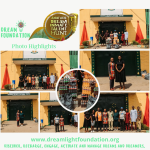
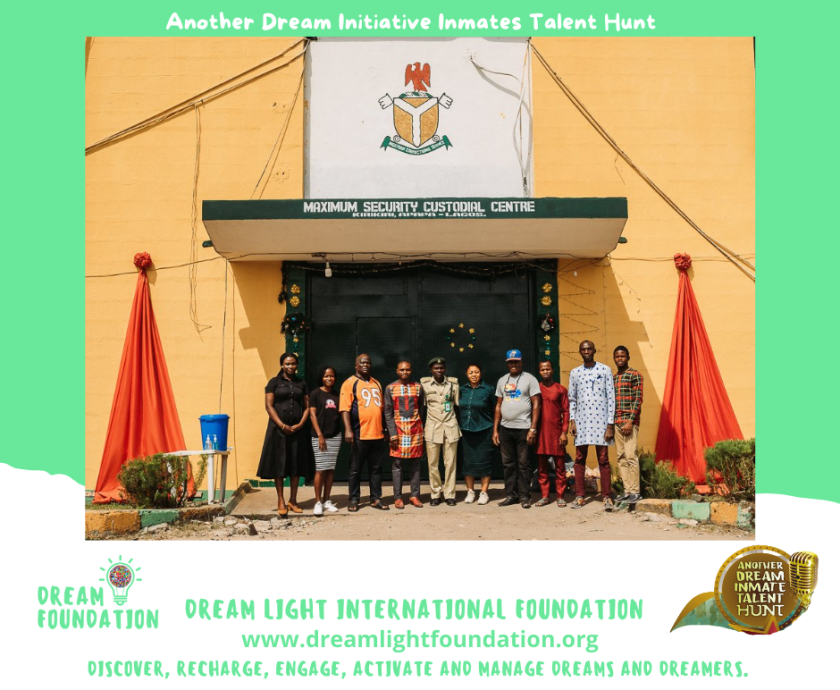
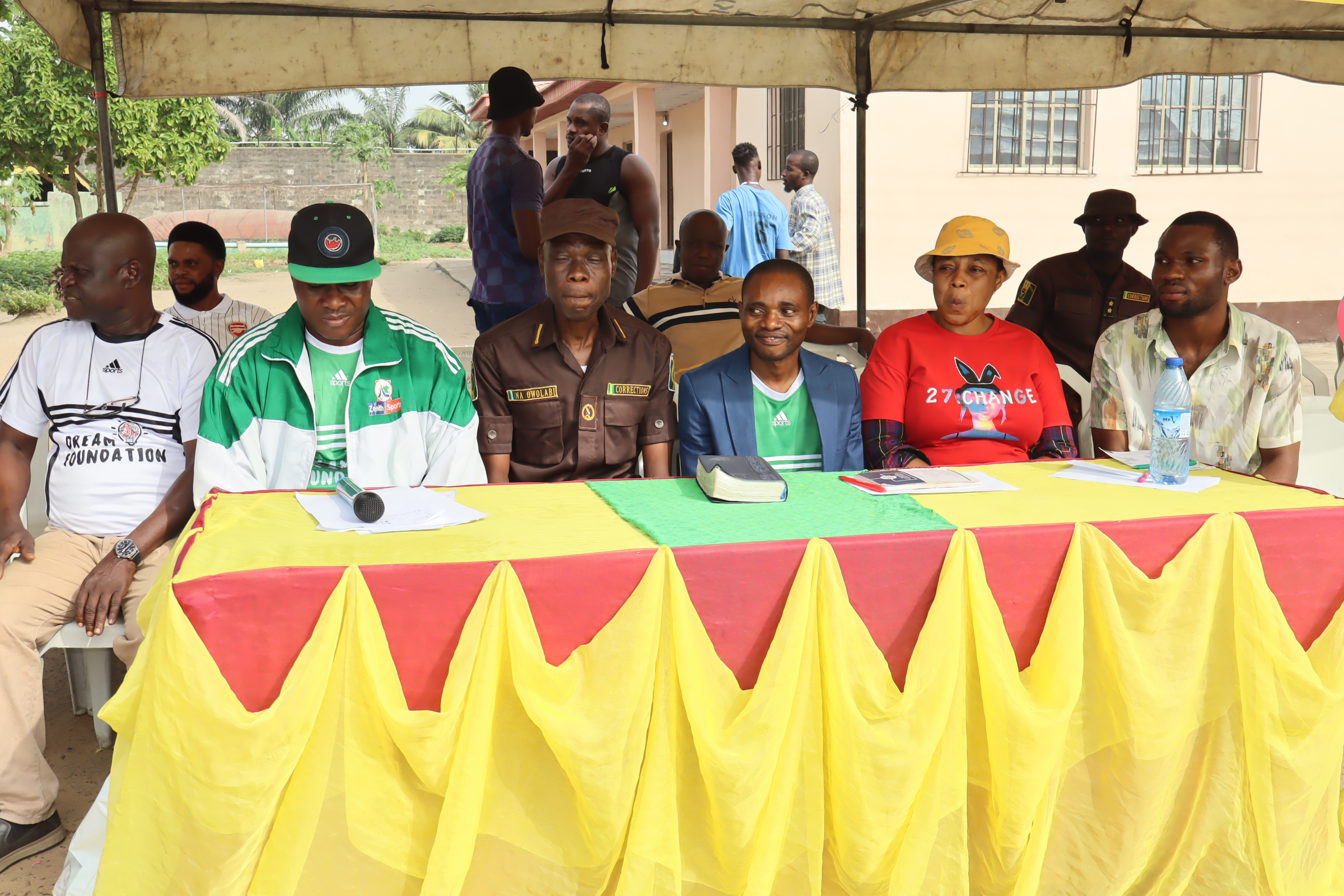
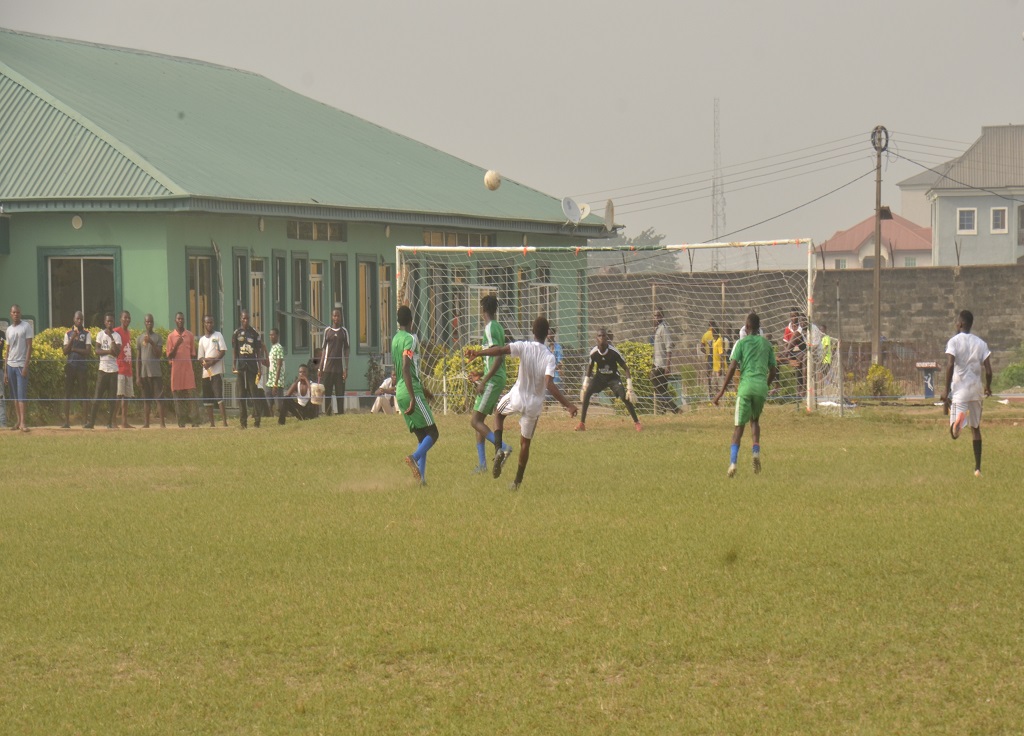
Across the world, correctional systems are increasingly shifting from punitive approaches to reformative models that prioritize rehabilitation, empowerment, and reintegration. One powerful yet often underutilized tool in this transformation is sports. At the Kiri Kiri Maximum Security Custodial Centre in Lagos, Nigeria, the Dream Light International Foundation is pioneering an initiative that uses sports as a structured reformation therapy to improve the lives, welfare, and future prospects of inmates.
This initiative is rooted in the understanding that incarceration should not only restrict freedom but also restore dignity, purpose, and hope. By introducing organized sports programs within the custodial environment, Dream Light International Foundation seeks to address the physical, emotional, and social challenges faced by inmates, while preparing them for productive lives after release.

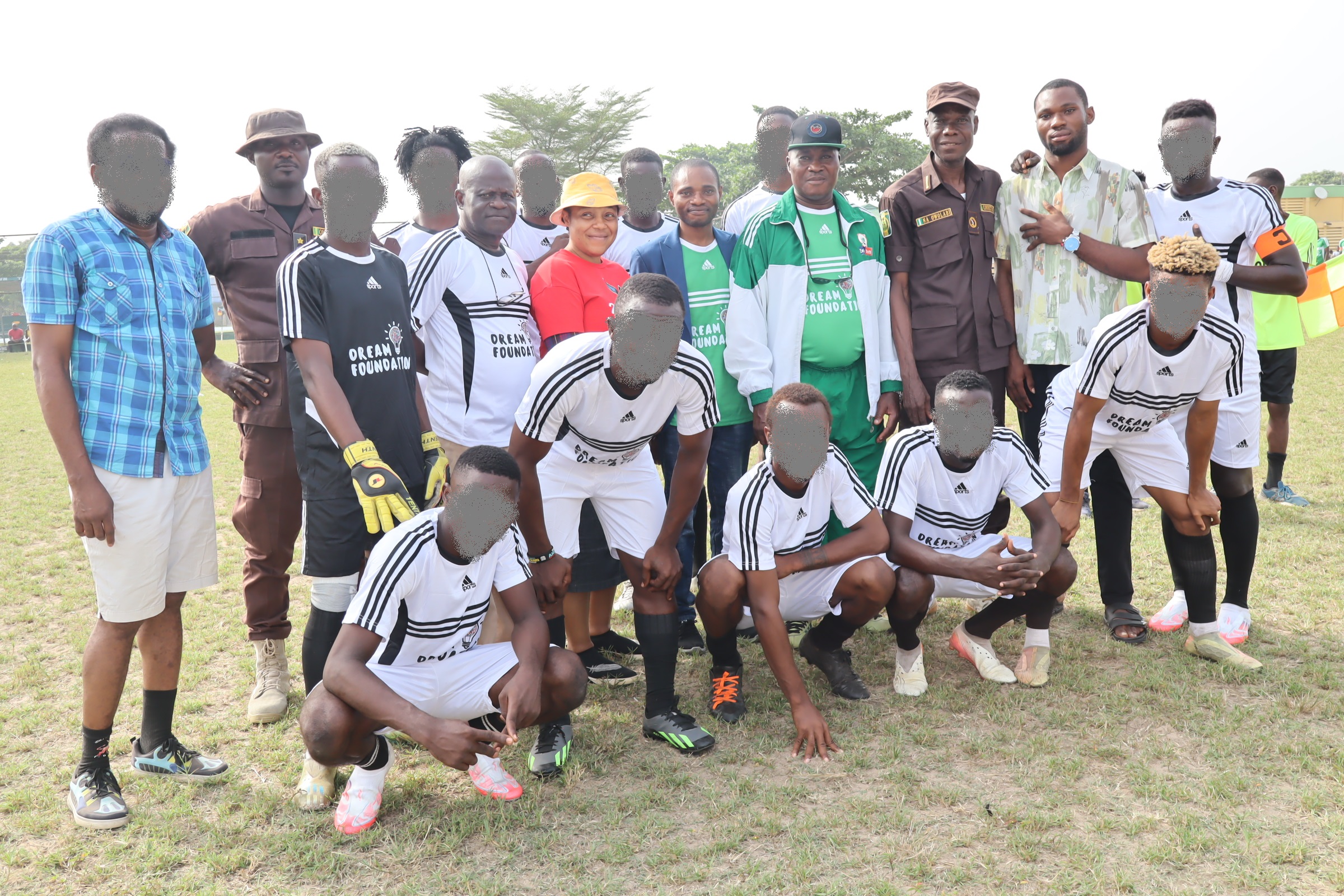
Sports as a Tool for Rehabilitation
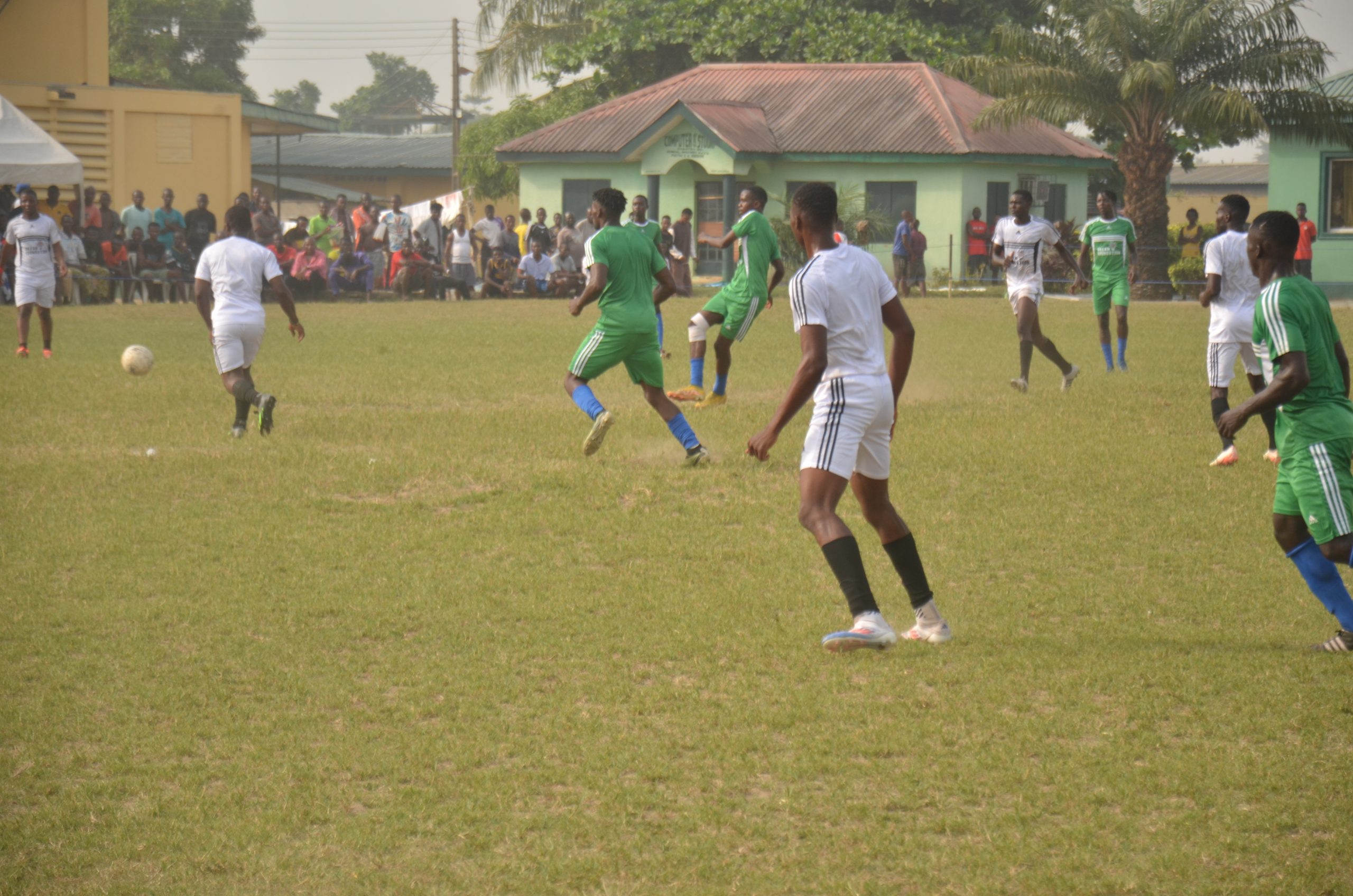
Sports have long been recognized as a universal language capable of breaking barriers and fostering unity. Within the prison environment, structured sports activities serve as a constructive outlet for energy and emotions, helping inmates cope with stress, frustration, and isolation. At Kiri Kiri Maximum Security Custodial Centre, these activities are carefully designed to promote discipline, respect for rules, and healthy competition—values that are essential for personal reform.
Participation in sports has been shown to significantly reduce tensions within custodial facilities. When inmates engage in regular physical activity, aggression is often replaced with cooperation, and hostility gives way to mutual respect. This shift not only improves inmate behavior but also contributes to a safer environment for correctional officers and staff.
Improving Mental and Physical Well-being
One of the most immediate benefits of sports-based rehabilitation is improved physical health. Regular exercise helps reduce the risk of obesity, strengthens the cardiovascular system, and enhances overall fitness—critical factors in environments where movement is otherwise restricted. Beyond the physical benefits, sports provide inmates with a sense of freedom and normalcy, allowing them to momentarily escape the psychological weight of confinement.
Equally important is the positive impact on mental health. Sports offer a healthy channel for emotional expression, helping inmates manage anxiety, depression, and anger. As mental well-being improves, incidents of violent behavior tend to decline, leading to more harmonious interactions within the custodial centre.
“When prison walls echo with the sound of play instead of despair, punishment gives way to purpose, and confinement becomes the first step toward transformation.”
– AUSTIN AMUZIE – Founder Dream Light International Foundation
Building Social Skills and Positive Relationships
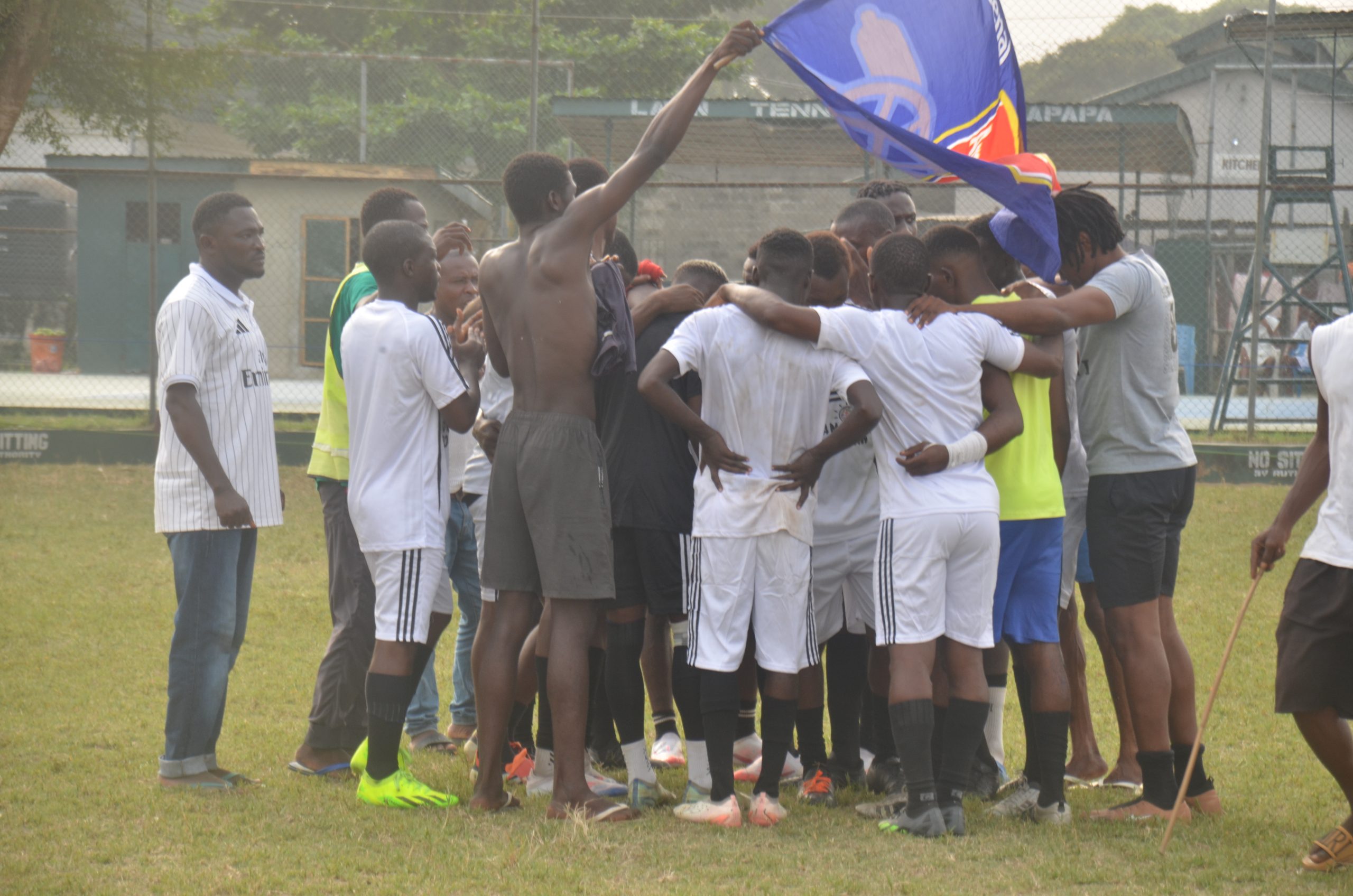
The Dream Light International Foundation initiative emphasizes sports that are structured and rule-based, ensuring that participants learn to operate within defined boundaries. Through teamwork and shared goals, inmates develop essential social skills such as communication, empathy, cooperation, and conflict resolution.
Sports also help bridge the gap between inmates and correctional staff. When activities are conducted in an atmosphere of fairness and mutual respect, trust begins to grow. Inmates learn the importance of roles, leadership, and accountability—skills that are transferable to everyday life outside prison walls.
Preparing Inmates for Life After Release
Perhaps the most profound impact of sports as a reformation strategy lies in its ability to prepare inmates for reintegration into society. Through consistent participation, inmates develop discipline, time management, teamwork, and resilience—qualities highly valued in the workplace. These skills can improve employability and increase the chances of successful reintegration after release.
Moreover, sports encourage a positive mindset and behavioral change. By learning to follow rules, respect authority, and work collaboratively, inmates internalize social norms that reduce the likelihood of reoffending. The relationships formed during sports programs also help create positive social networks that can support inmates during their transition back into society.
A Pathway to Lasting Reform
The sports-driven rehabilitation initiative by Dream Light International Foundation at Kiri Kiri Maximum Security Custodial Centre demonstrates that meaningful reform is possible even within the most restrictive environments. By investing in the physical, mental, and social development of inmates, the program not only improves daily life within the prison but also contributes to long-term public safety by addressing the root causes of recidivism.
As Nigeria continues to explore innovative approaches to correctional reform, initiatives like this stand as powerful reminders that rehabilitation, not punishment alone, is the key to transforming lives and building safer communities.